
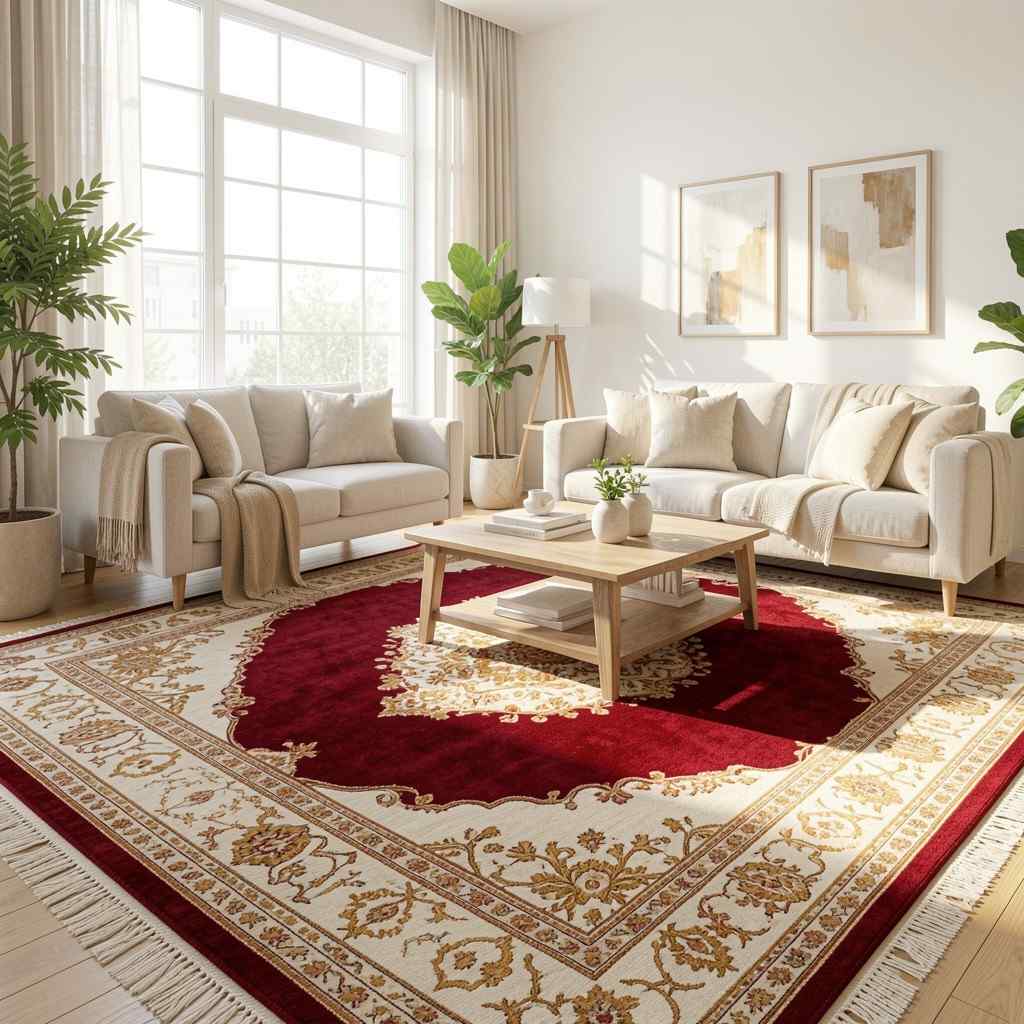
A rug made by hand isn’t merely something to place on a floor – it holds stories, skill, tradition, yet whispers of grandeur too. Out of all high-end options, those woven in Kashmir with silk stand apart, known far beyond borders because of fine detail, lasting strength, still an air of grace. Should your path lead toward finding the Best Handmade Kashmiri Silk Carpet in Delhi, knowing what shapes worth – how tightly knots sit, which fibers shine through – matters deeply ahead of any choice.
Out here in Delhi, folks keep finding their way to rich carpets – old patterns, new looks, all sorts mixed together. Homes get them, offices too, even places meant to feel grand and settled. A handmade silk carpet from Kashmir might just be what changes everything about how a room feels – and holds its worth – once placed right into the scene.
Why Kashmiri Silk Carpets Stand Out?
Months might pass. Years even. That is how long it takes some weavers to finish a single carpet in Kashmir, each one shaped by steady hands and quiet focus. Flowers twist into patterns, not drawn but built thread by thread, influenced by old Persian styles yet distinctly local. Bright reds sit next to deep blues. Gold touches green. Color behaves boldly here, never shy. Every piece holds its own rhythm, born from practice, not plans.
From one generation to the next, real Kashmiri silk rugs keep alive weaving methods that machines can’t copy. Light dances differently across each piece because only natural silk is used, giving depth no factory product matches.
Out of nowhere, the texture grabs attention – real Kashmiri silk feels different under fingertips, not like those factory-made copies. A careful eye spots it fast: stitching so fine it almost vanishes into place. Step inside any trusted carpet shop in Delhi, and that contrast shows up clear. Instead of rough fibers, there’s smooth depth, woven slow. Real silk holds light another way, subtle but certain. Imitations try hard yet fall flat every time.
What Knot Density Means for Quality
A single key detail stands out while checking a handwoven rug – how tightly the knots are packed. That tightness means counting how many tiny loops fit within one inch squared of fabric. More often than not, lots of knots crammed close together point toward skilled workmanship and sharper patterns emerging from the weave.
A single inch of fine Kashmiri silk carpet might hold three hundred tiny knots – or even break nine hundred. When numbers climb, patterns grow sharper, richer in detail. Toughness follows close behind complexity.
Start by checking the knot count if you want the Best Handmade Kashmiri Silk Carpet in Delhi. Though pricier up front, denser knots often mean it lasts longer, looks sharper. What matters shows in how tightly each thread is woven. Price tags might scare some buyers off – yet those tiny details define real value. Spend more now, skip replacing later. The weave tells its own story after years pass.
Materials Used in Handmade Carpets
From silk to wool, what a rug is made of shapes how soft it feels underfoot. Built by hand, many feature cotton alongside animal or plant threads. Each material adds its own strength, changing how long the piece lasts.
Pure Silk Carpets
Among textiles, few reach the level of pure silk rugs. Their feel underfoot surprises – so smooth it almost whispers. Bright shades stand out sharply here, not faded but alive. What makes these pieces different is how closely woven they are; fine lines meet without blurring. Other fibers try, yet fall short when matched against such precision.
Silk on Silk Rugs
Silk on Silk Rugs stand out even within high-end carpet types. With every part – base and surface – woven purely from silk, detail leaps forward. Craftsmen achieve sharp patterns that shimmer under light. Collectors seek them; homes with refined taste display them well.
Wool Carpets
Home to many looking for strength plus comfort, Wool Rugs in Delhi keep drawing interest. Built tough, they bounce back fast, fight stains by nature, last years without fading. Some place these in hallways or living zones, yet tuck silk ones into spaces meant for quiet moments. Their staying power makes them fit where feet move most.
Comparing Kashmiri and Persian Carpets
Most people shopping for rugs in Delhi tend to look at Kashmiri ones alongside Persian Carpets in Delhi. Even though each is well regarded, their patterns come from separate weaving backgrounds. Their artistry grows from different roots, yet both earn strong praise.
Starting off with Persian rugs, you see complex medallions show up again and again, alongside sharp geometry and symbols tied deep into Iran’s past. Meanwhile, those made in Kashmir tilt toward blossoms, fine weaving work, while giving off a gentler look overall.
Whatever feels right to you makes the difference, shaped by your space, taste, lights up room corners differently. Owning one or the other – or both – brings joy simply because each carries its own kind of history stitched into form.
Tribal Carpets Gain More Attention Over Time
Though silk and Persian types remain common, many now favor Tribal Carpets for their vivid designs. With deep hues drawn from nature, they carry meanings shaped by ancestral customs. Their striking motifs stand out in today’s living spaces. Each piece tells stories through symbols passed down over generations.
Out of nowhere, tribal carpets add bold character – especially at home today, when old-world making meets clean-lined spaces. Though quiet in origin, their presence fills rooms shaped by now.
Some high-end carpet sellers mix tribal patterns with handcrafted Kashmiri silk pieces, giving shoppers plenty of choices. A range of styles shows up where tradition meets detailed workmanship. Choices spread out across rooms through woven stories and rich textures. Tribal motifs sit next to silky threads spun by skilled hands. Buyers find themselves surrounded by depth, color, and craft.
Calculate Carpet Area Before Purchase
Start by figuring out how much floor you’ve got before buying a carpet. Get the numbers right so the piece doesn’t come up too short or hang over the edges. A good fit begins with knowing exactly what size opens up in your space.
To Calculate Carpet Area:
- Measure the length of the room.
- Start by finding how wide the space is across.
- Start with the length, then go ahead and multiply it by how wide something is.
A space that’s 12 feet wide and stretches 15 feet long covers exactly 180 square feet on the floor. While dimensions might sound abstract, multiplying them gives actual surface size – here it lands at one hundred eighty. When laid out flat, such measurements define how much ground gets covered underfoot.
Getting things right size-wise stops shoppers from grabbing rugs that miss the mark – either oversized or undersized – while smoothing out choices along the way.
Tips for Selecting Carpets
Choosing the right carpet requires careful consideration. Here are some useful Tips for Selecting Carpets:
- What will happen inside the space? Think about how many people move through it each day. That shapes everything else.
- Picking long-lasting stuff means less fixing later. When it holds up well, cleaning and care take less time. Tough choices today often lead to fewer headaches down the road.
- Verify the authenticity of handmade carpets.
- Examine knot density and weaving quality.
- Consider the carpet’s color scheme in relation to existing décor.
- Buy your carpet through a well-known carpet shop in Delhi that people rely on.
- Compare multiple options before making a final decision.
Confidence grows when choices are clear. One thing leads to another, then decisions feel solid. Knowing what matters shapes how money moves. Clarity comes from looking closely, not rushing ahead. A steady path often starts with quiet understanding.
Why Delhi Attracts Carpet Buyers
Among Indian cities, few match Delhi when it comes to variety in handcrafted floor coverings. Step inside, and you might find intricate silk pieces from Kashmir sitting beside bold tribal patterns. While Persian Carpets in Delhi draw attention, Wool Rugs in Delhi bring warmth to any space. Because authenticity matters, experienced sellers help sort through fibers, knots, and care needs. With their insight, shoppers walk away knowing exactly what lies beneath their feet.
A fresh look at the Best Handmade Kashmiri Silk Carpet in Delhi shifts everything – knowing how they’re made makes choices clearer. Spotting tight knots, real materials, and true-to-form patterns helps pick one that grows more meaningful over time. Beauty settles into a room differently when the details carry weight. Each thread tells whether it belongs or just passes through.
When searching for the Best Handmade Kashmiri Silk Carpet in Delhi, understanding quality, materials, and craftsmanship remains the key to making a valuable and lasting investment.
Jätä kommentti